
How Can the Right Cleaner Polish Change Your Car Care Routine?
A freshly washed car can still look tired. The dirt may be gone, the windows may be clear, and the bodywork may feel clean, yet the paint can appear flat, uneven, or less reflective than it once did. This happens because washing and polishing serve different purposes in vehicle maintenance. Washing deals primarily with loose dirt and everyday grime, while polishing focuses on the appearance and condition of the paint surface.
Auto cleaner polish brings these two aspects of exterior care closer together by helping clean suitable surface residue while refining the vehicle's overall finish. For car owners who take pride in how their vehicles look, knowing when and how to use such a product can make regular detailing more effective.
Why Does a Washed Car Sometimes Look Dull?
Consider a car that has just returned from a professional wash. At first glance, everything looks clean. However, when sunlight falls across the bonnet or doors, the paint may not reflect light evenly. Some areas appear cloudy, while others have lost the depth and gloss that made the vehicle look newer.
This difference comes from the fact that visible cleanliness does not always mean the paint surface is in its best condition.
Vehicles encounter several elements during everyday use, including road film, airborne contaminants, water deposits, and environmental residue. Some of these can remain on the surface even after an ordinary wash. Over time, repeated exposure and unsuitable cleaning practices can also affect the appearance of the finish.
This is where polishing becomes relevant. Rather than treating every exterior maintenance task as another car wash, owners can use products designed for the specific condition of the paintwork.
Understanding the Purpose of Auto Cleaner Polish
An auto cleaner polish is designed to combine cleaning and polishing functions in a single product. Its purpose is to address suitable surface residue while improving the appearance of automotive paint.
The cleaning aspect helps deal with certain contaminants and deposits that ordinary washing may not remove. The polishing component helps refine the appearance of the surface, bringing out a more uniform and visually appealing finish.
However, the value of cleaner polish becomes clearer when it is understood as part of a larger detailing process.
For example, a car that spends most of its time outdoors may develop a different maintenance requirement from one that remains in covered parking. Similarly, a vehicle driven regularly on highways may collect more road residue than one used occasionally for short journeys.
A suitable cleaner polish gives owners another way to address these differences without treating every maintenance session as a complete detailing job.
It is important to remember that cleaner polish is not a substitute for professional paint correction. Deep scratches, severe oxidation, and damaged clear coats require a different approach.
What Happens to Car Paint During Everyday Use?
Car paint does not remain untouched between washes. Its appearance changes gradually because of regular exposure to the surroundings. Understanding these changes helps explain why a consistent maintenance routine matters:
Road film builds up over time
Cars travelling through busy streets encounter exhaust residue, dust, and other airborne particles. These contaminants can settle on the exterior and contribute to a less appealing finish.
Water deposits leave visible marks
Rainwater and water used during washing can leave mineral deposits when allowed to dry on the surface. These marks may become more noticeable on darker paint colours, particularly under direct lighting.
Sunlight affects exterior appearance
Long-term exposure to sunlight can contribute to fading and changes in the appearance of automotive finishes. Suitable maintenance and protective products help owners care for the surface according to its condition.
Incorrect cleaning practices create additional problems
Using dirty cloths, rough materials, or unsuitable cleaning products can introduce fine scratches and marks. This is why the tools used during detailing deserve as much attention as the products themselves.
A thoughtful maintenance routine addresses these concerns instead of relying on polishing only when the vehicle begins to look visibly neglected.
Cleaner Polish vs. Car Wax vs. Regular Washing
One common mistake in vehicle maintenance is assuming that every exterior care product performs the same job. In reality, washing, polishing, and waxing have different purposes.
| Vehicle care method | Primary purpose | When it is useful |
|---|---|---|
| Regular car wash | Removes loose dirt and everyday grime | Routine exterior cleaning |
| Cleaner polish | Helps clean suitable surface residue and refine paint appearance | When paint needs attention beyond washing |
| Car wax | Adds a protective layer to suitable exterior surfaces | As part of a paint protection routine |
| Professional paint correction | Addresses more significant paint defects | When scratches, swirl marks, or paint deterioration need specialized attention |
These processes can complement one another, but they should not be treated as interchangeable.
For instance, applying wax over a surface that has not been properly cleaned may not be the best approach. Similarly, repeatedly polishing a vehicle when it only needs a regular wash is unnecessary.
The better approach is to identify the condition of the paint first and then select the appropriate product.
Signs That Your Car Needs Polishing
Not every vehicle needs polishing at the same frequency. Driving conditions, parking arrangements, paint colour, and previous maintenance all influence the exterior's condition.
There are, however, a few signs that suggest it may be time to consider a polishing session.
● The paint looks flat after washing. If the vehicle appears clean but lacks its usual visual depth, the surface may benefit from suitable polishing.
● The exterior feels less smooth. Surface contamination can affect how the paint feels even when visible dirt has been removed.
● Water marks remain noticeable. Certain deposits may require more than ordinary washing, depending on their severity.
● The finish looks inconsistent. Different panels may appear to have varying levels of gloss because of exposure, previous cleaning, or maintenance differences.
● You are preparing for waxing. Proper surface preparation is an important part of a well-planned detailing routine.
These signs should be assessed carefully. A dull finish does not always mean the vehicle needs more polish. Sometimes, the underlying issue may require a different cleaning or paint care treatment.
How to Get a Better Finish During Application
The application process can influence the final appearance just as much as product selection. Even a good formulation needs to be used correctly:
Start with the condition of the surface
Wash the vehicle thoroughly to remove loose dirt and grime. Pay attention to areas around the wheel arches, lower doors, and bumpers, where road residue tends to collect.
Choose the right working conditions
Avoid applying polish on an excessively hot surface or under direct sunlight if the manufacturer's instructions recommend otherwise. A cool, clean working area makes the process easier to manage.
Work panel by panel
The bonnet, doors, roof, and boot can be treated in smaller sections. This allows better control over product application and helps prevent uneven coverage.
Use appropriate materials
A clean applicator and suitable microfiber cloth are important. Reusing a cloth containing dirt or old product residue can affect the finish.
Follow the recommended buffing process
Some products require wiping or buffing after application, while others have different instructions. Follow the manufacturer's directions instead of relying on a universal polishing technique.
Inspect the result under different lighting
A finish that looks even in a shaded area may reveal residue or uneven application under brighter lighting. Checking the vehicle from different angles helps identify areas that need attention.
Mistakes That Can Affect Your Car's Finish
Polishing is often treated as a simple final step in car cleaning, but careless application can create more problems than it solves.
One frequent mistake is using too much product. A thicker application does not automatically produce a better finish. It can make removal more difficult and lead to unnecessary product wastage.
Another issue is polishing without properly cleaning the surface. Loose dirt can become trapped between the applicator and paint, increasing the possibility of unwanted marks.
Car owners should also avoid using the same cloth for every stage of detailing. Materials used for removing dirt, applying polish, and buffing should be clean and suitable for their respective tasks.
Most importantly, cleaner polish should not be expected to correct every visible paint defect. Understanding the difference between surface residue, minor imperfections, and actual paint damage helps prevent unrealistic expectations.
Making Polishing Part of a Long-Term Care Routine
The best vehicle maintenance routines are based on observation rather than a fixed number of products or detailing sessions.
A car driven daily through congested roads may need more frequent washing and exterior attention. A vehicle kept in a garage and used occasionally may have different requirements. Even two cars of the same model and colour can develop different exterior conditions depending on how they are maintained.
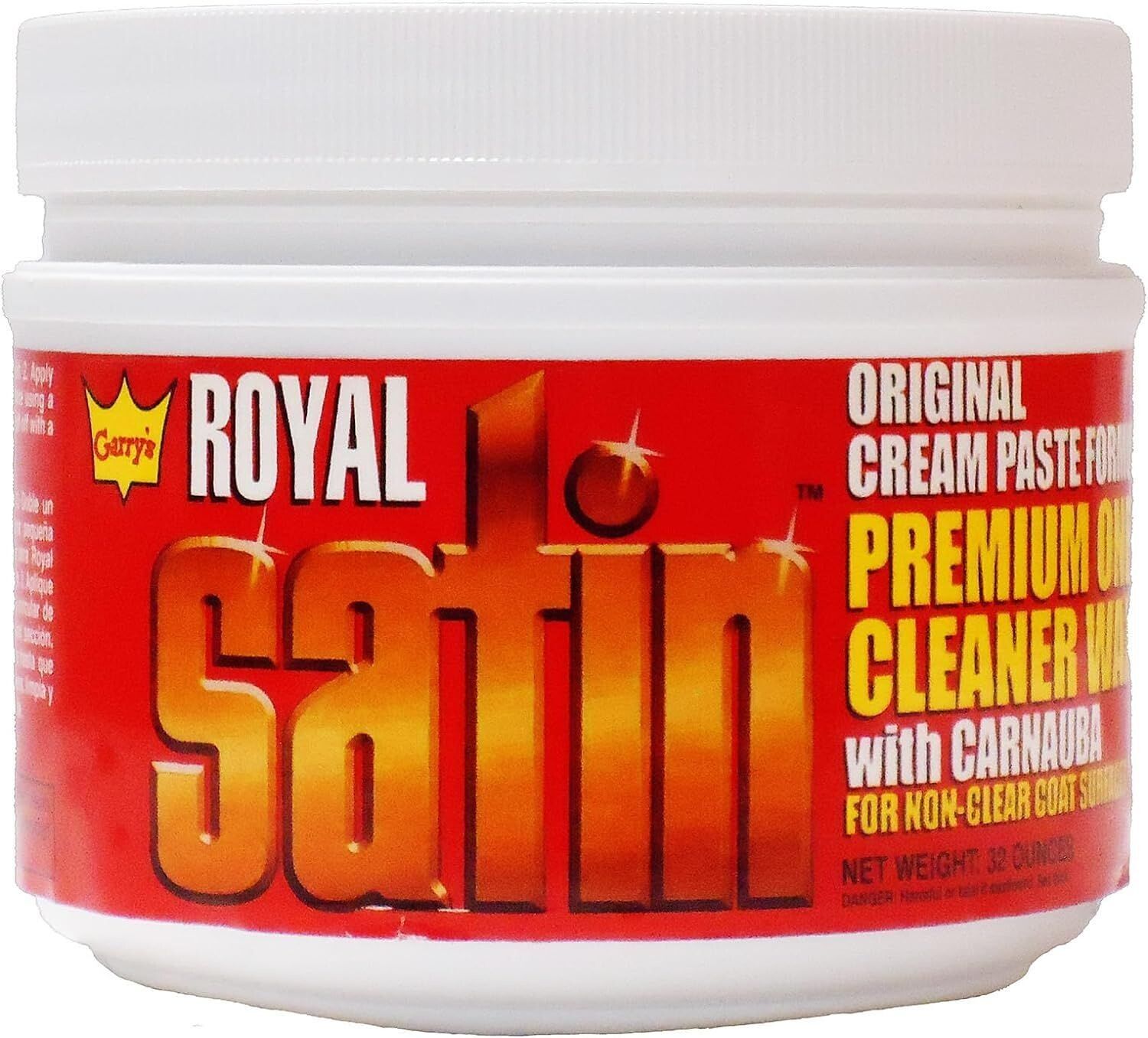
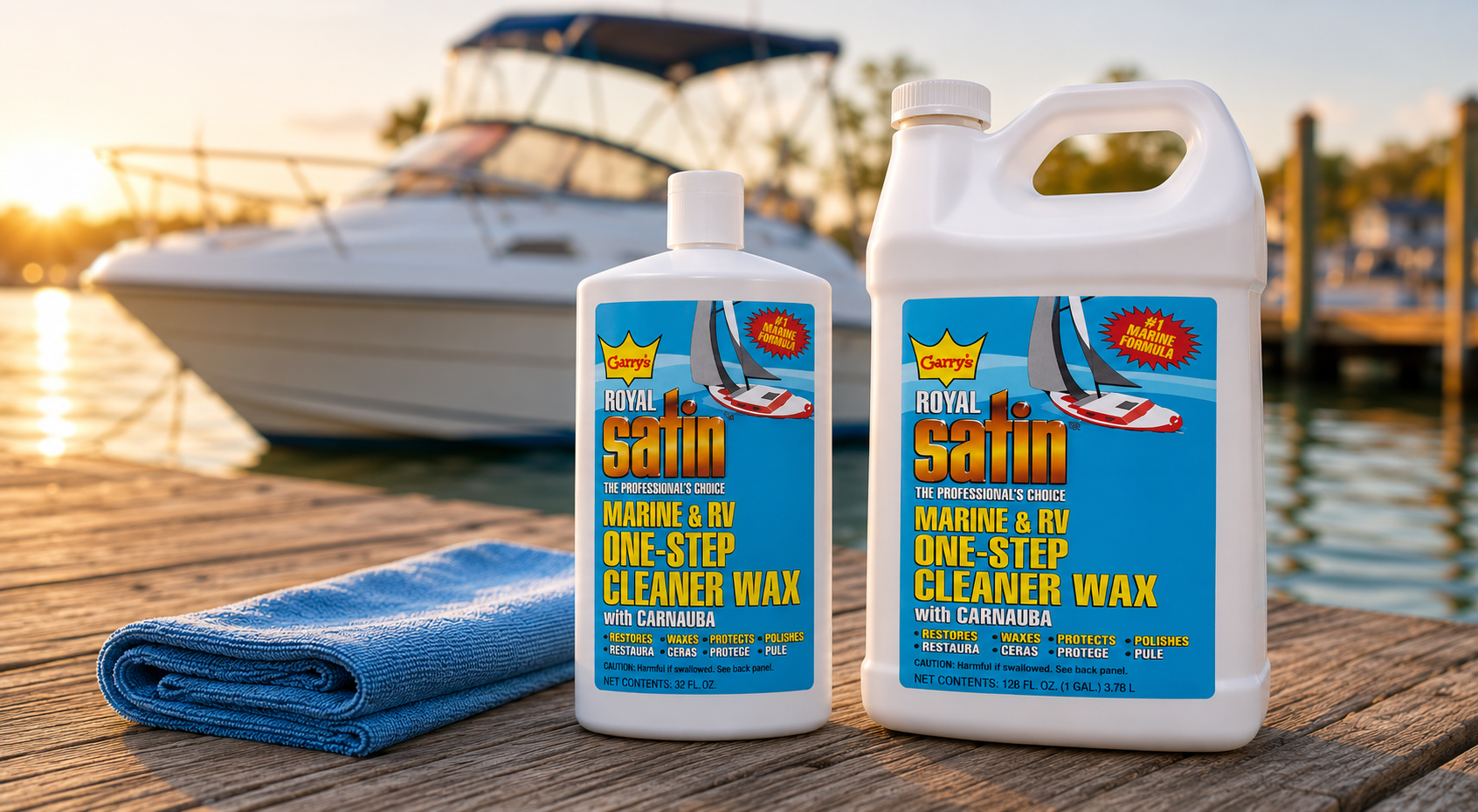
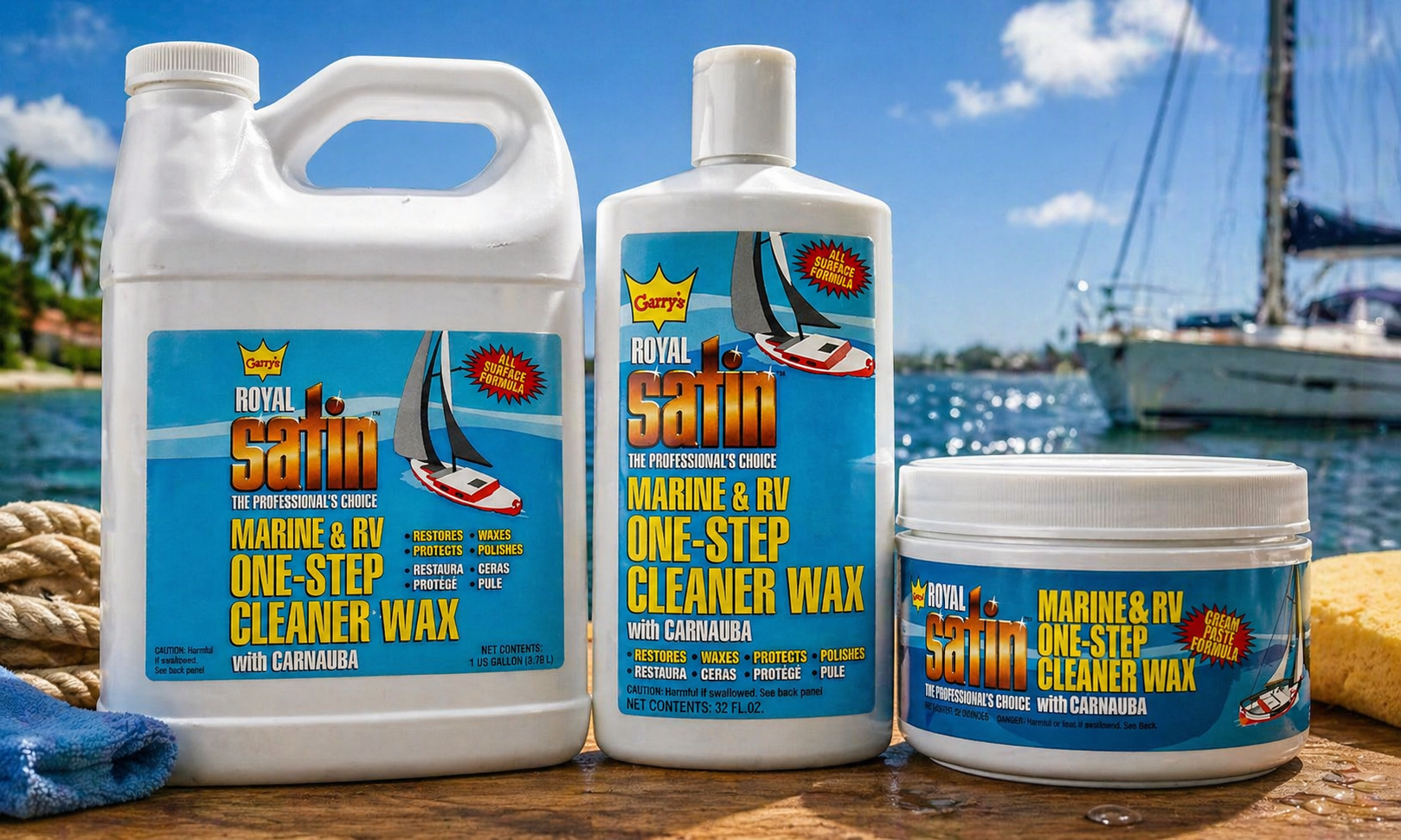
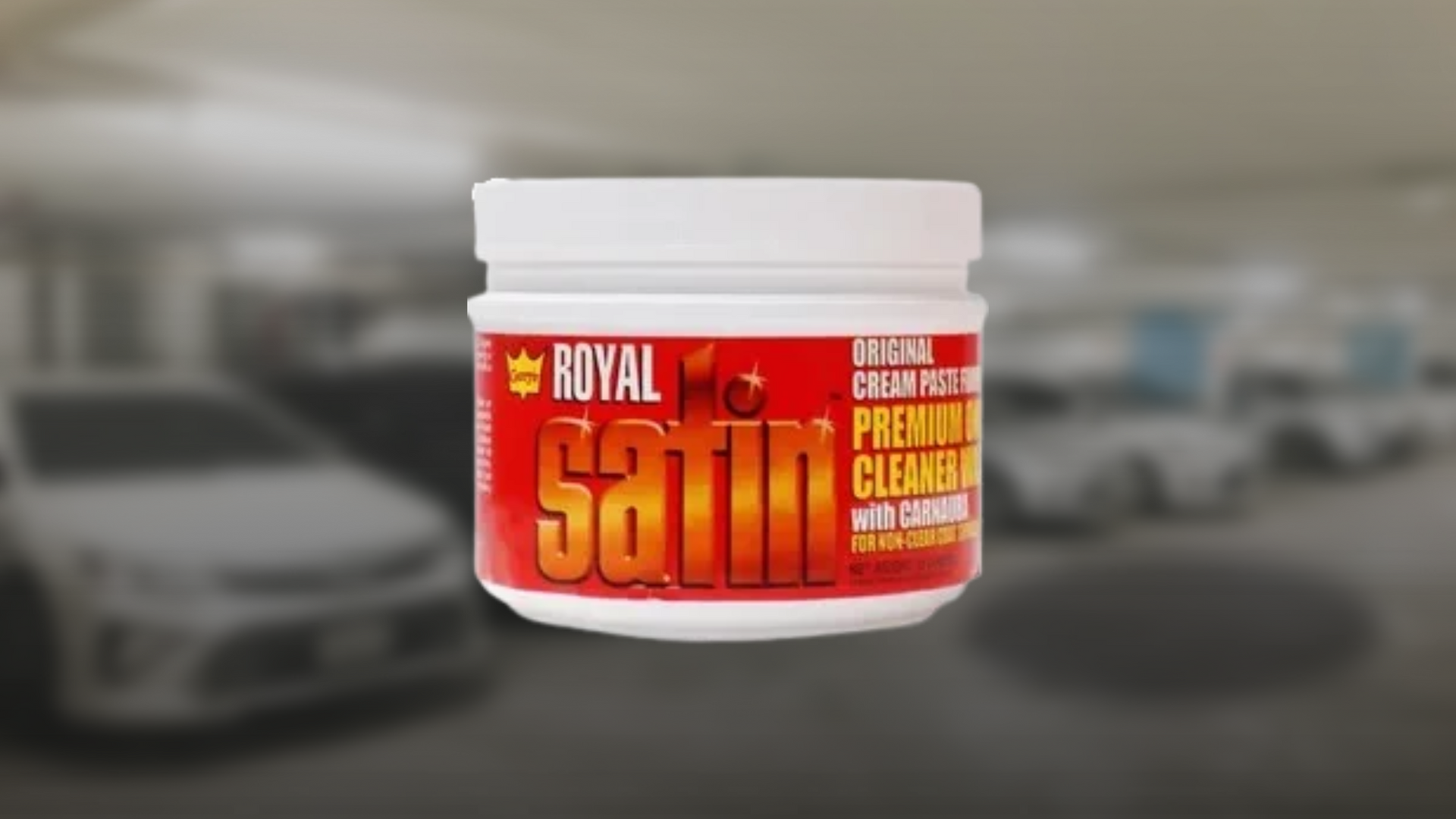
Garry's Royal Satin understands the importance of selecting suitable products for different vehicle care requirements. Its range includes automotive and marine care products, giving owners options for maintaining different surfaces and finishes.
For those exploring additional exterior maintenance solutions, an auto renewer can also be considered according to the product's intended purpose and application requirements.
Rather than purchasing products simply because they promise a glossy finish, car owners should understand what each formulation is designed to do. Cleaning, polishing, and protection are separate aspects of detailing, and using them appropriately helps create a more organized maintenance routine.
Give Every Detailing Session a Clear Purpose
A car's appearance is shaped by the small maintenance decisions made over time. Regular washing keeps everyday dirt under control, while suitable polishing helps address the condition and appearance of the paintwork. Choosing the right auto cleaner polish is therefore about more than adding shine. It is about understanding what the exterior needs and giving it the appropriate attention.
Garry's Royal Satin offers vehicle care products for owners who value proper surface maintenance and a well-presented finish. Explore its product range and find suitable solutions for your car care routine.
Frequently Asked Questions (FAQs)
- Why does car paint look dull even after washing?
Washing removes loose dirt and grime, but certain surface contaminants and deposits may remain. Environmental exposure and unsuitable cleaning practices can also affect the finish. When ordinary washing no longer restores the desired appearance, a suitable cleaner polish may help address the surface condition. - Can cleaner polish be used on older vehicles?
Yes, provided the product is compatible with the vehicle's paint and finish. Older vehicles may have different surface conditions depending on their maintenance history. It is advisable to inspect the paint, follow the manufacturer's instructions, and test the product on a small, inconspicuous area first. - Does polishing make a car's paint look darker?
Polishing does not actually change the paint colour. However, improving the surface's appearance and reflectivity can make certain colours appear deeper and more vibrant. The visible result depends on the paint condition, product formulation, and application technique. - Should cleaner polish be applied before or after car wax?
Cleaner polish is generally used before waxing when the two products are compatible. Polishing helps prepare the surface, while wax provides an additional protective layer. Always follow the instructions of both products to ensure they can be used together appropriately. - Can cleaner polish be used on every exterior surface?
No. A product formulated for automotive paint should not automatically be used on glass, plastic trim, rubber, or other materials. Different surfaces have different requirements. Check the manufacturer's recommended applications before using the product. - How can car owners maintain a polished finish between detailing sessions?
Regular washing with suitable car cleaning products, clean microfiber materials, and proper drying techniques can help maintain the exterior. Parking under cover when possible and following an appropriate waxing routine can also support the appearance of the finish.