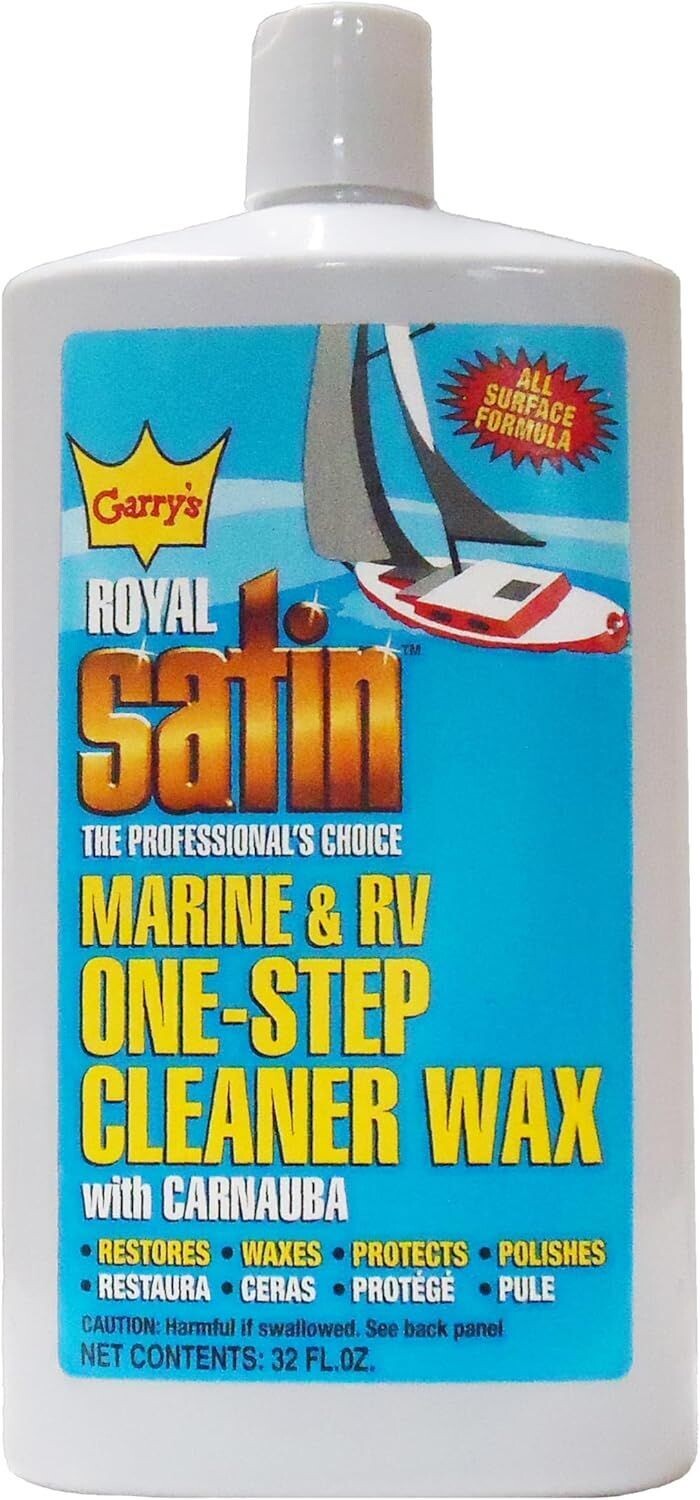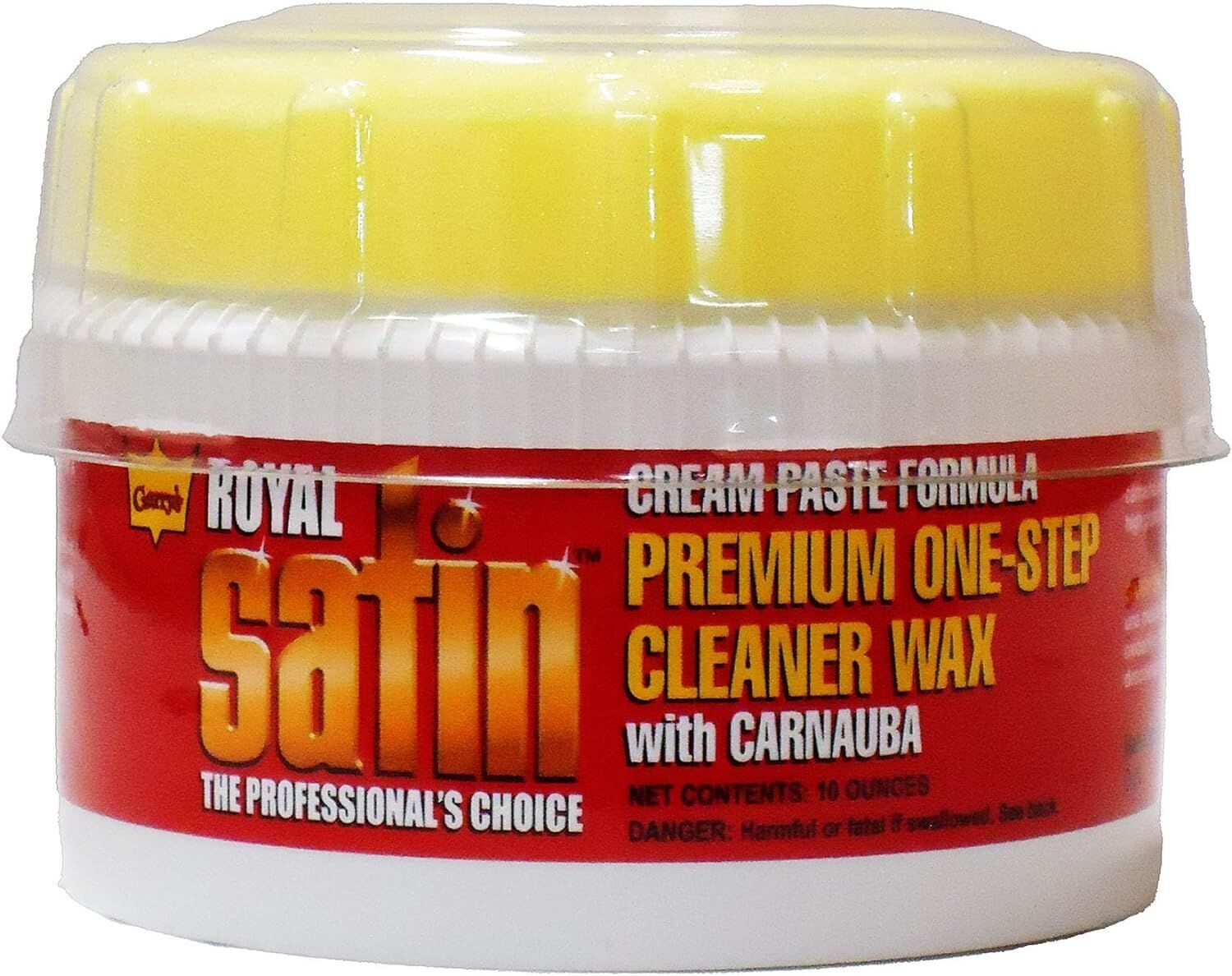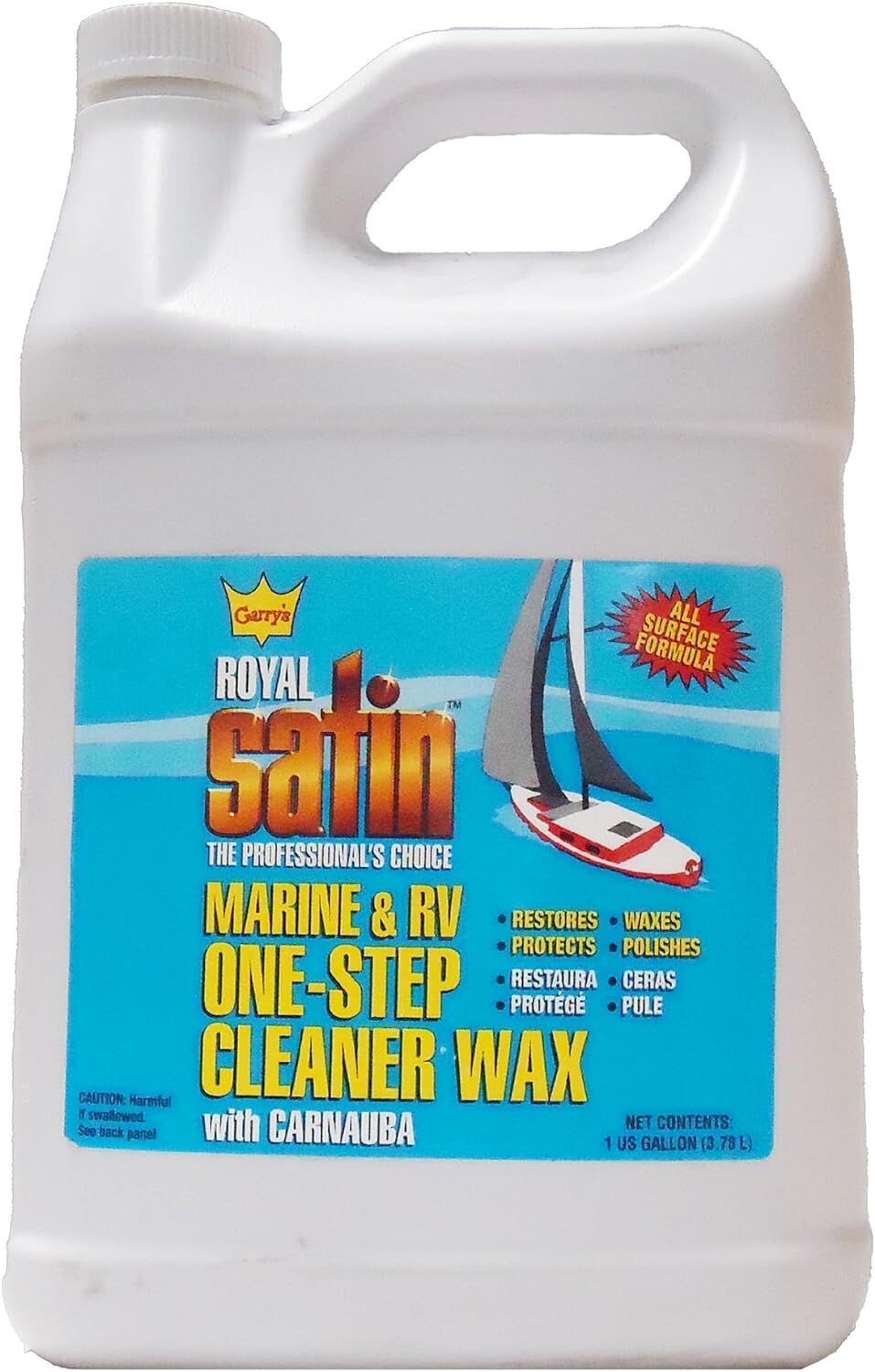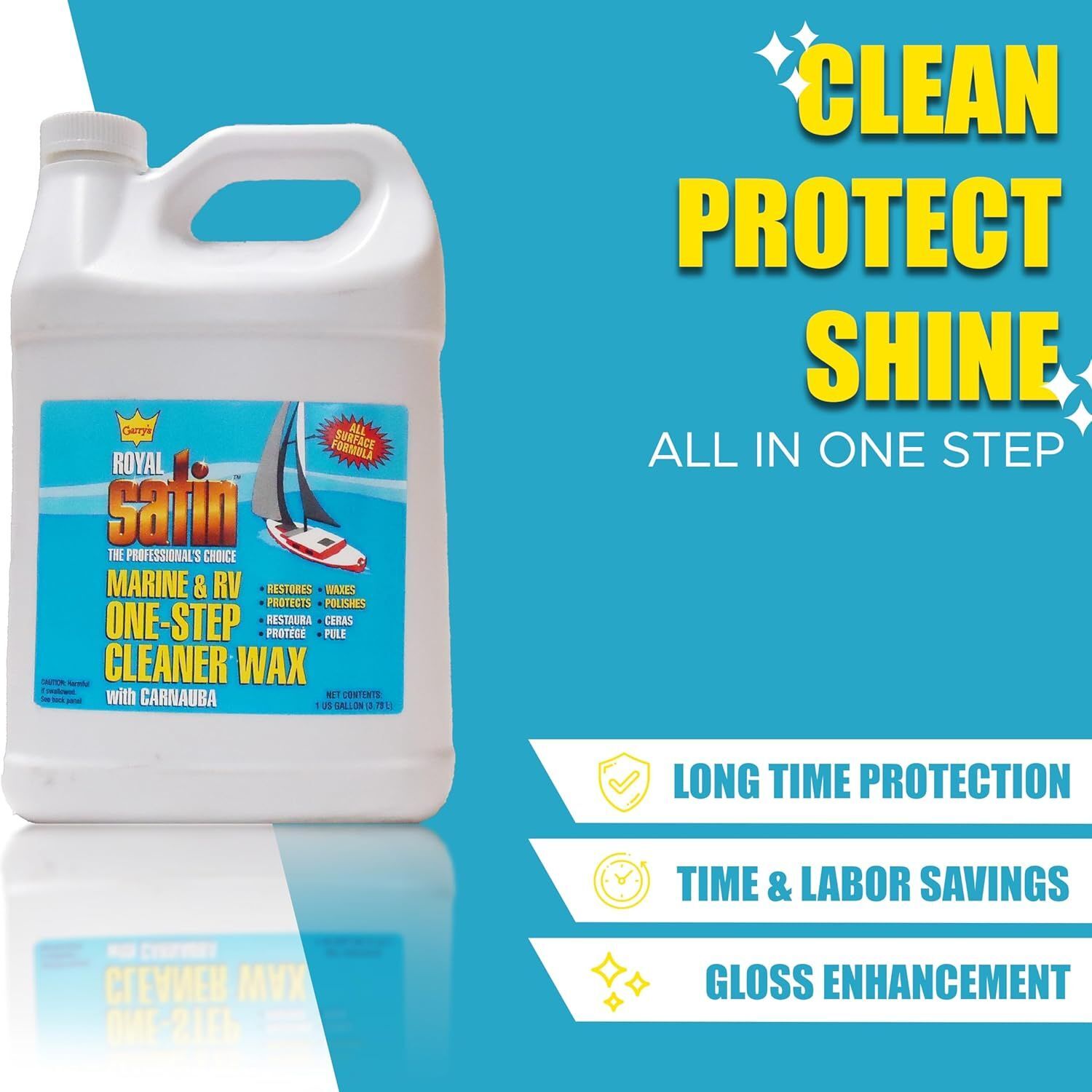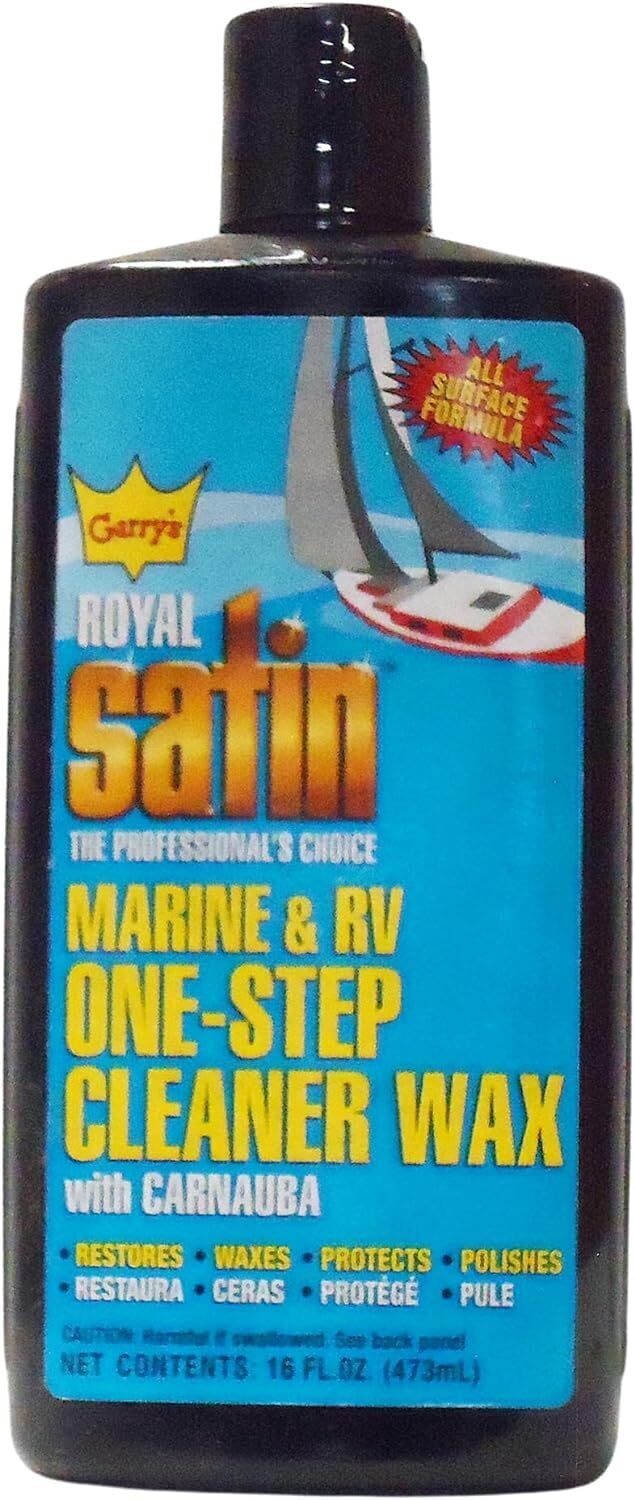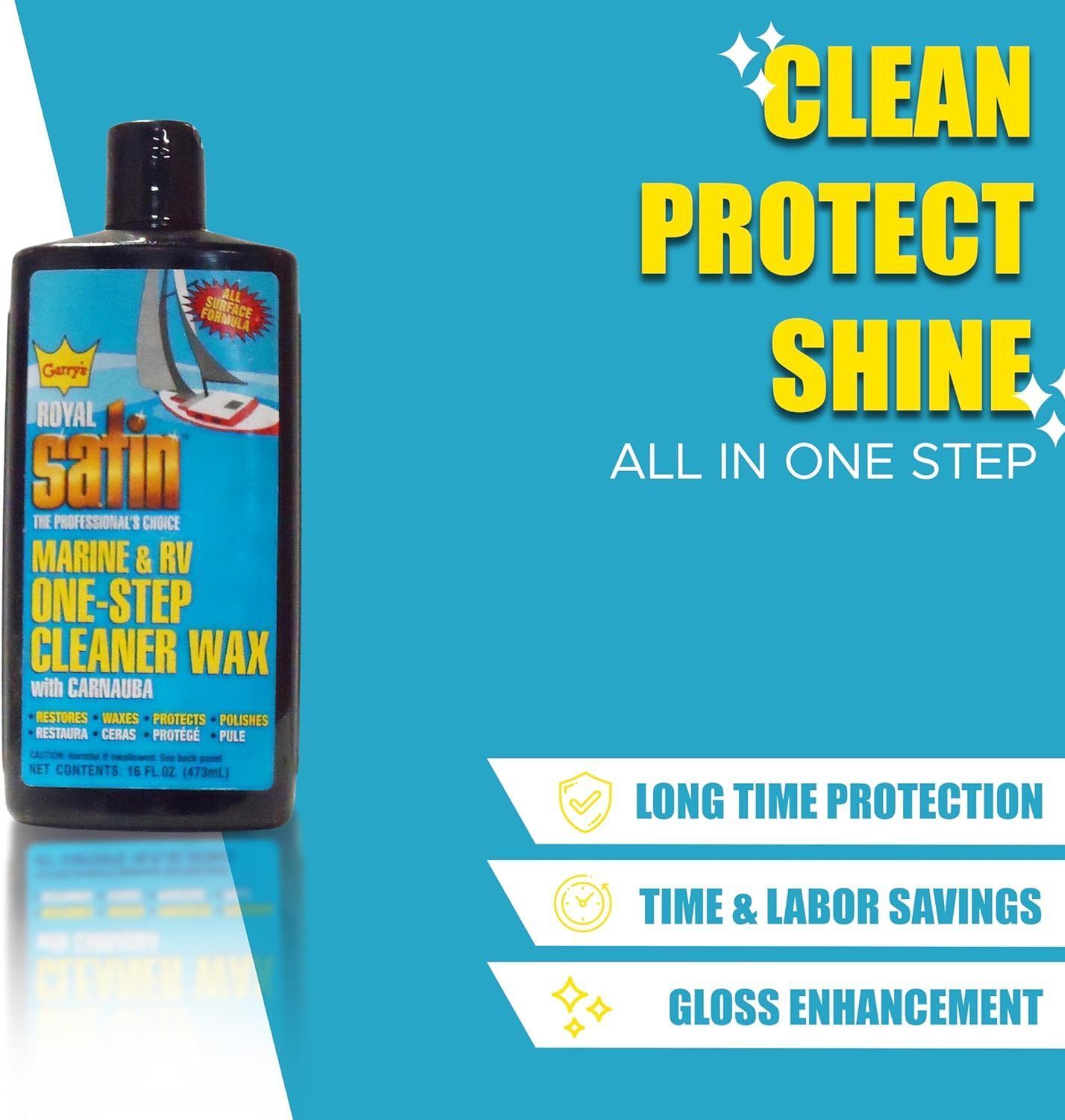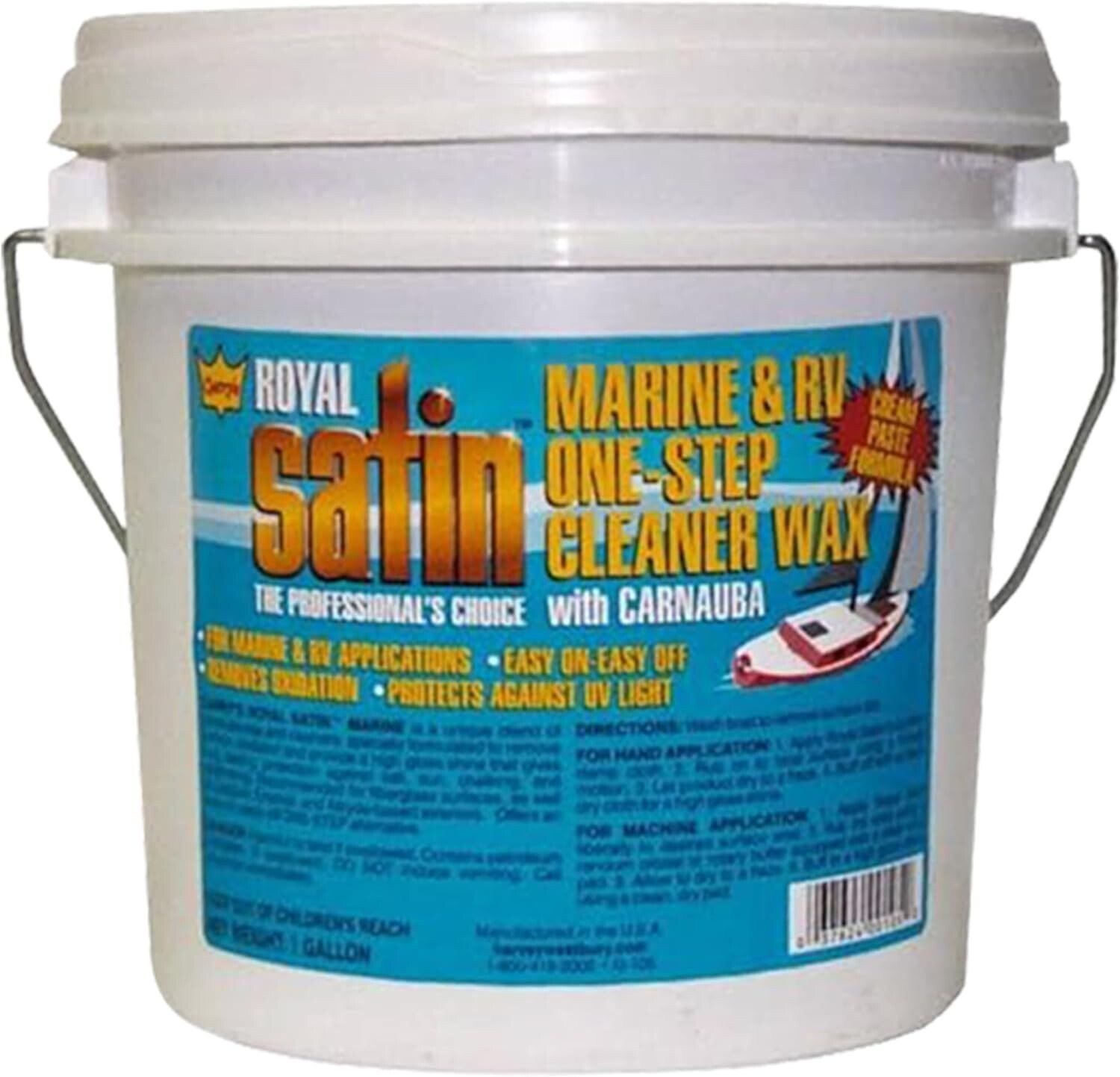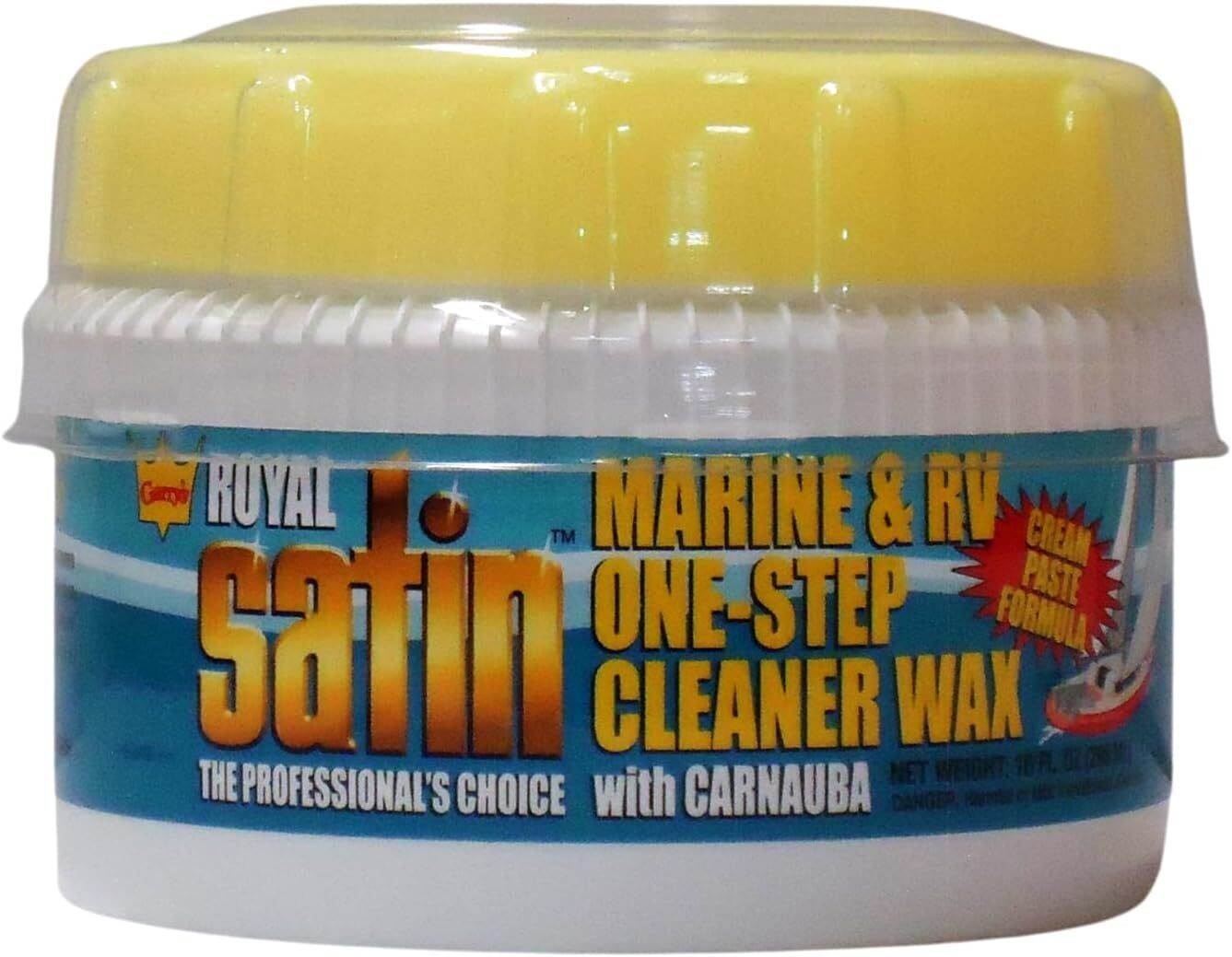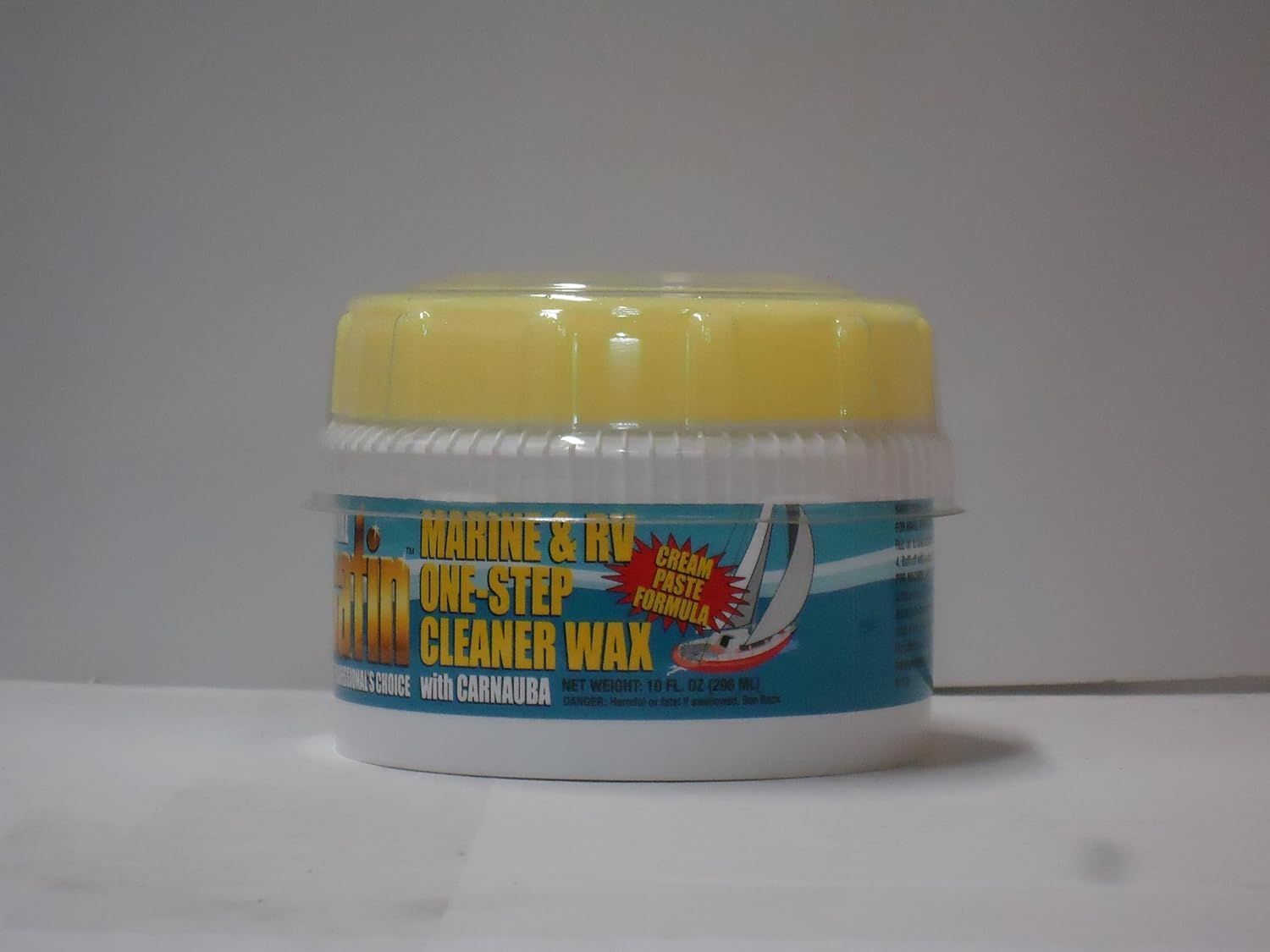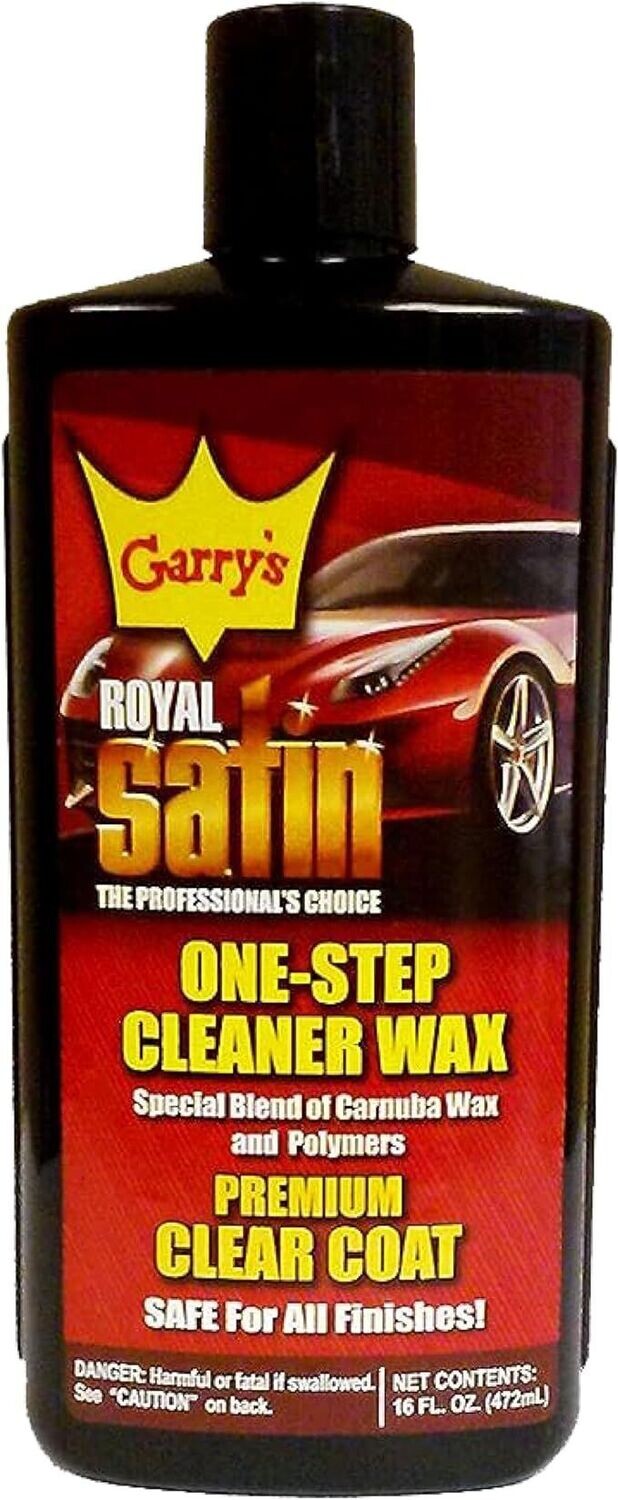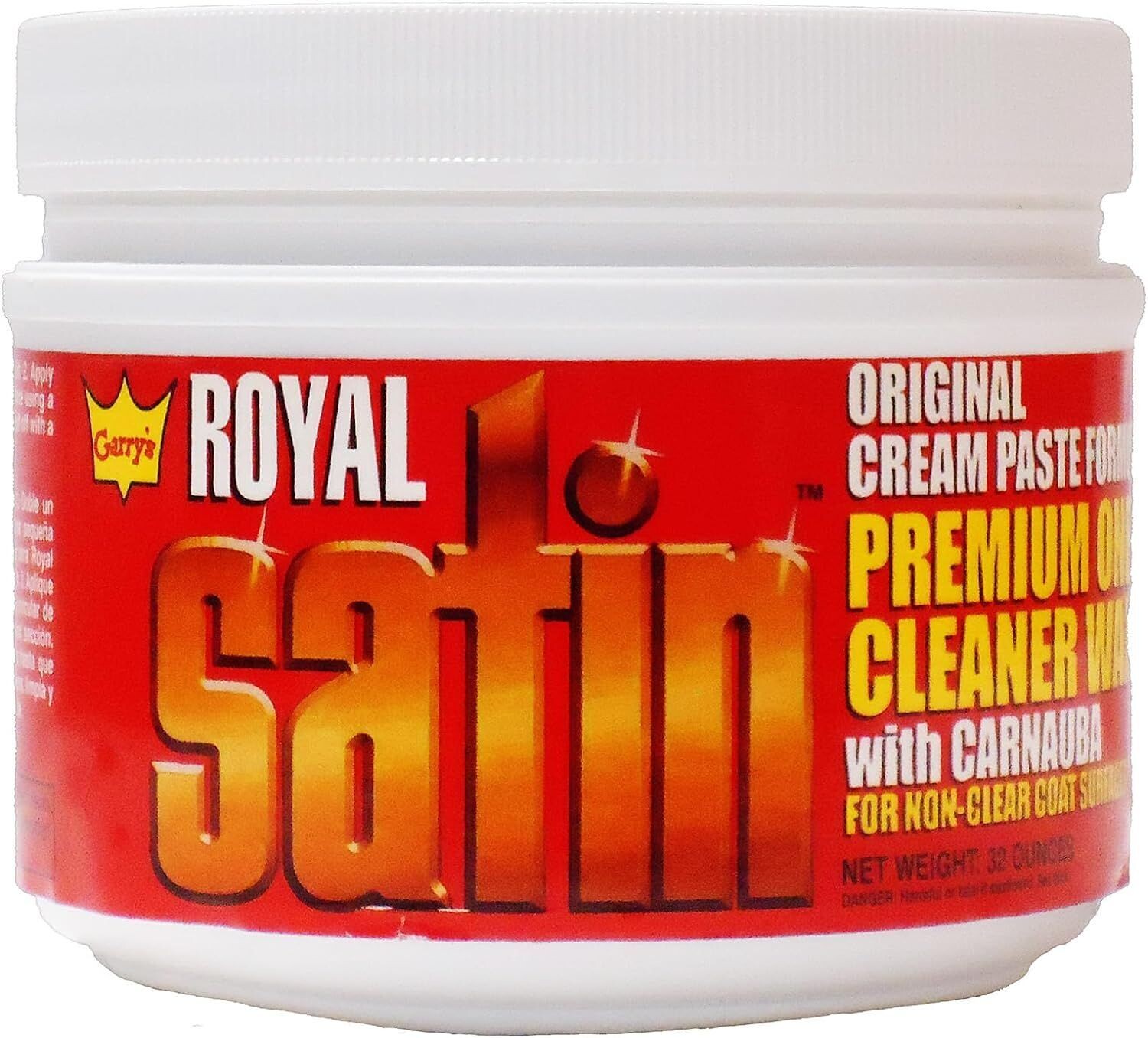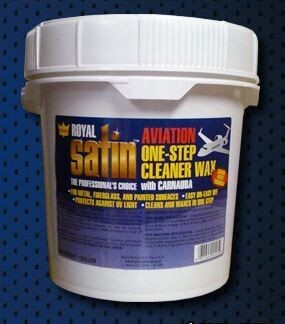
Garry's Royal Satin Aviation ONE STEP Cleaner Wax (1 Quart)

$27.95
In stock
Product Details

Garry's Royal Satin Aviation ONE STEP Cleaner Wax, 1 Quart

$27.95 | In Stock | 1 Quart

An aircraft's exterior takes on a different kind of wear than anything on the ground. Hours at altitude expose the paint to UV intensity a car or boat never sees. Exhaust residue, oil seepage, and bug strikes build up on leading edges and cowlings between every flight. And unlike a driveway or a marina slip, most aircraft sit exposed on open ramps for extended stretches, with little shelter from the elements. Garry's Royal Satin Aviation ONE STEP Cleaner Wax is formulated specifically for that environment, restoring the shine and protection on aircraft paint and clear coat in a single application.

Built for the People Who Actually Fly

This product is formulated with a specific audience in mind, not adapted from an automotive or marine base:

  • Private aircraft owners who maintain their own paint between annual details and want a product they can trust on a surface that's expensive to get wrong
  • Owners preparing for inspection, sale, or a fly-in event, where the exterior finish is part of the aircraft's presentation, not just routine upkeep
  • FBOs and line service crews handling multiple aircraft on a rotating maintenance schedule, where consistent, dependable results matter more than any single treatment
  • Aviation detailing professionals who need a formula that performs predictably across a range of paint conditions and ages

If any of that describes your situation, this is built around exactly that kind of use, not a general-purpose wax adapted for aviation as an afterthought.

What the Formula Addresses

Aircraft paint and clear coat face a combination of stressors that most cleaner waxes aren't built to handle well. This formula is designed around three of the most common:

Sun exposure at altitude accelerates fading and chalking far faster than ground-level UV alone, which is why the protective barrier this wax leaves behind is built specifically with that exposure level in mind, not scaled down from an automotive formula. Oil, exhaust soot, and bug residue on leading surfaces require a formula strong enough to lift that buildup without being so aggressive it damages sensitive aviation paint or clear coat. And the finish restoration itself needs to bring back genuine depth and gloss, not just a temporary shine that fades within a few flights.

In a single application, the formula

  • Lifts oil residue, exhaust soot, and surface buildup from leading edges, cowlings, and fuselage panels
  • Applies smoothly by hand, which is standard practice on most aircraft surfaces given their contours and sensitivity to aggressive buffing
  • Restores the original depth and gloss to aircraft paint and clear coat
  • Leaves behind UV protection built for high-altitude sun exposure, not scaled down from a ground-vehicle formula

Applying the Product

Start with a clean, dry aircraft surface, free of loose dirt, bugs, and residue, since applying wax over debris risks fine scratching during buffing, a much bigger concern on aircraft paint than on a car or boat. Work in a hangar or shaded area whenever possible; a sun-heated fuselage panel causes the product to dry too quickly for an even application, the same issue that affects automotive and marine surfaces but with less margin for error on aviation paint.

A few points specific to aircraft application:

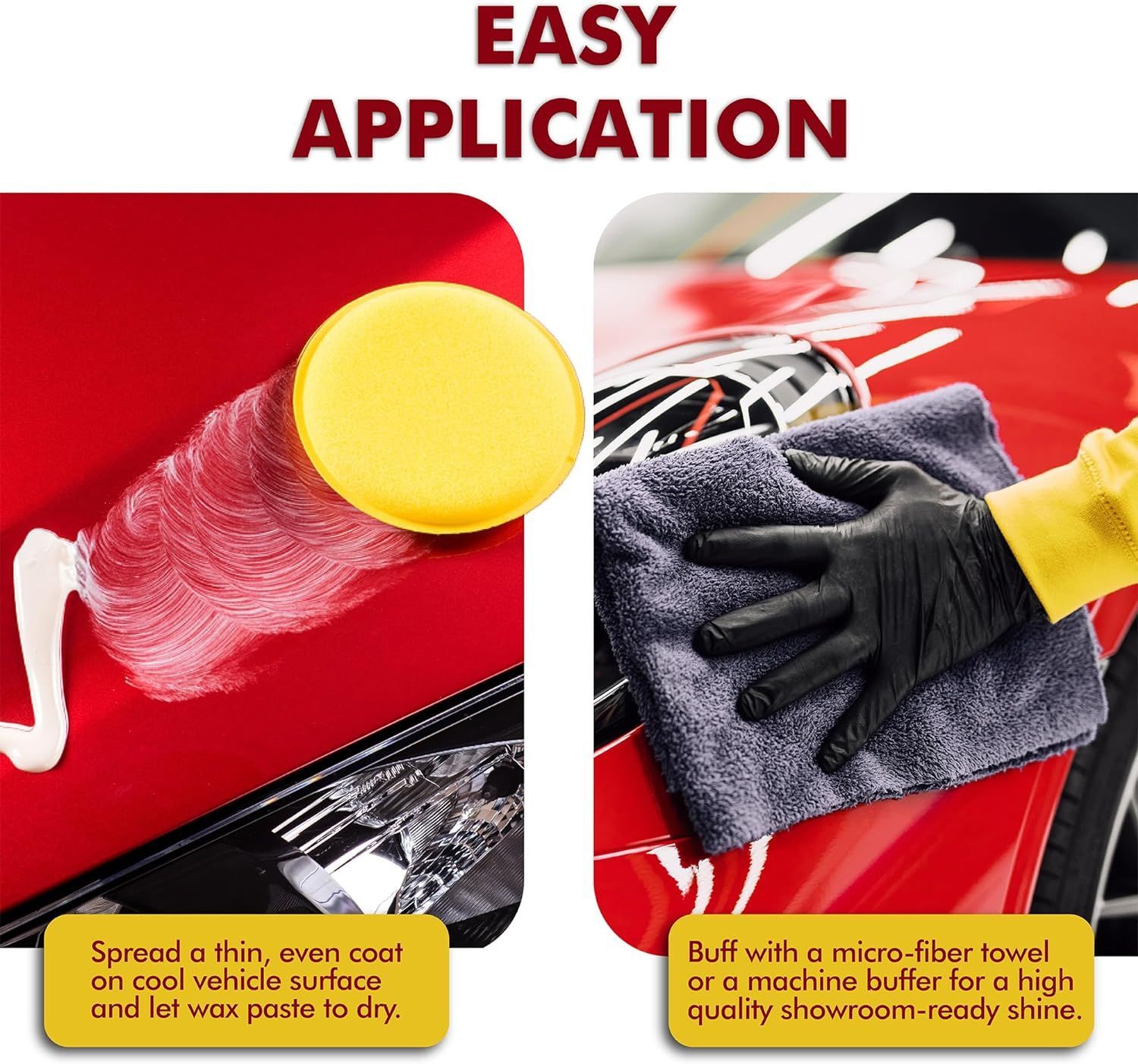
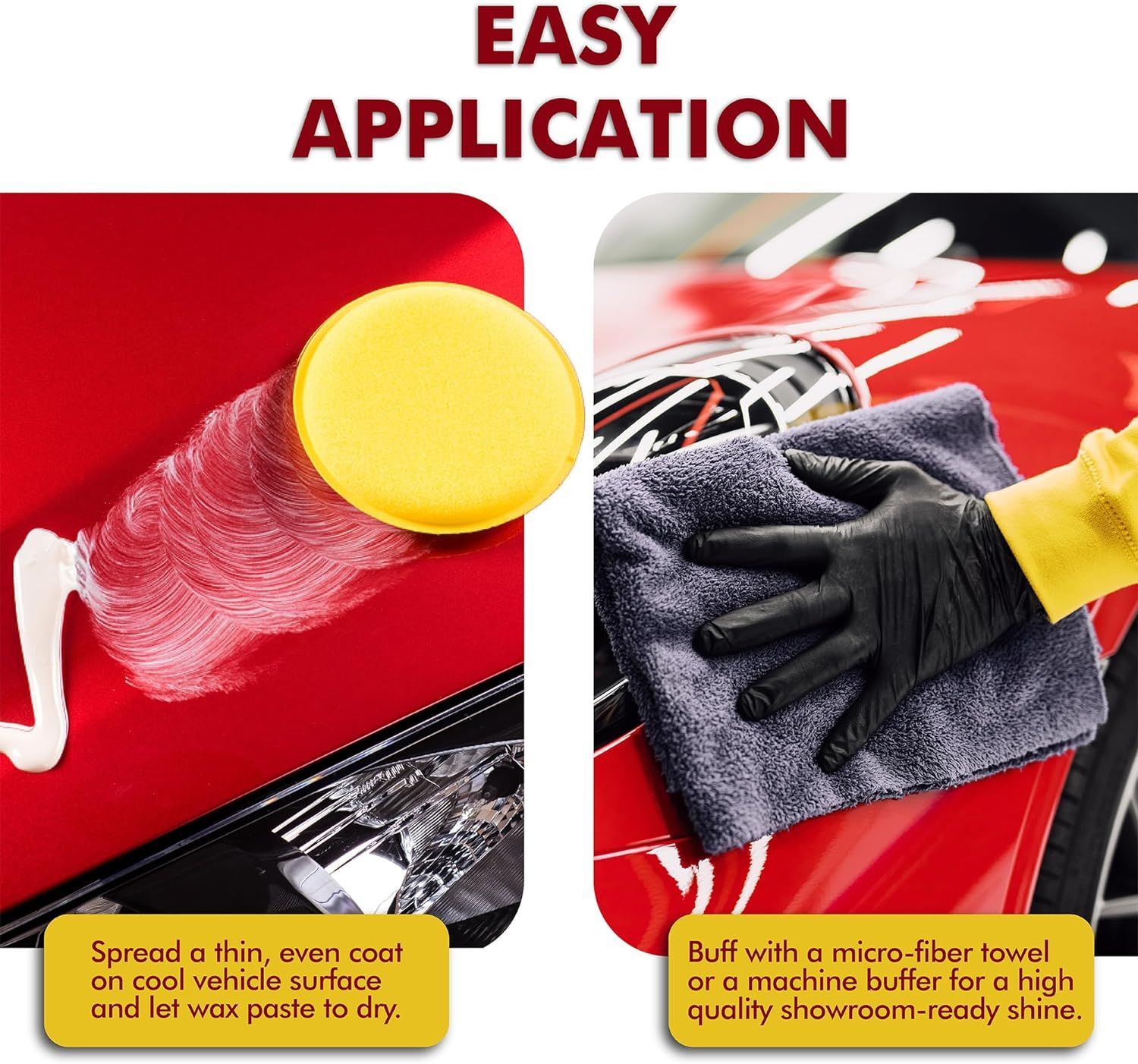
  • Apply by hand using a soft microfiber pad rather than a buffer machine on most aircraft, since aviation surfaces often have contours, rivets, and panel seams that a buffer can catch
  • Keep the product away from unpainted metal, antennas, and any exposed rivets or fasteners, wiping those areas clean promptly if contact occurs
  • Work in small sections, particularly around leading edges and cowlings where buildup is heaviest
  • Let the product haze for a few minutes before buffing with a clean, dry microfiber towel, switching to a clean section as it picks up residue

Frequently Asked Questions (FAQs)

1. Is this formula actually different from Garry's automotive or marine cleaner waxes, or is it the same product relabeled?

It's formulated for aviation-specific conditions, particularly the higher UV exposure aircraft face at altitude and the type of residue (oil, exhaust, bug strikes) that builds up on leading surfaces. While it shares the brand's broader One Step Cleaner Wax approach, cleaning and waxing in a single pass, it's not simply an automotive or marine formula in different packaging.

2. Is it safe to use around rivets, antennas, and unpainted metal surfaces?

The formula is designed for painted and clear-coated aircraft surfaces. We recommend keeping it off unpainted metal, antennas, and exposed fasteners, and wiping those areas promptly if any product makes contact, since it's not formulated or tested for those materials.

3. Should this be applied by hand, or can it go on with a buffer?

Hand application is the standard approach for most aircraft, given the contours, panel seams, and rivet lines that make buffer use riskier than it is on a flat automotive or marine surface. A buffer can be used with caution on larger, flatter panels, but hand application remains the safer default for most of the aircraft's exterior.

4. How does this compare to the 1 Gallon size in the Aviation line?

The formula is identical between the two. The Quart is sized for a single aircraft owner maintaining their own plane on a normal schedule, while the Gallon is built for FBOs, line crews, or detailers handling multiple aircraft, where the lower cost per application matters more than the upfront size.

5. Where can I find the Safety Data Sheet for this product?

The SDS is available for download on our SDS resource page. For FBOs and maintenance operations required to keep documentation on file, we're glad to send a copy directly upon request.

6. How often should this be reapplied given how much time an aircraft spends outdoors?

Aircraft parked outdoors full-time on an open ramp generally benefit from more frequent application than one kept in a hangar between flights, since sun exposure is the primary factor driving wear. Most owners find every 4 to 6 weeks of regular flying keeps the finish and protection consistent, adjusting based on how much time the aircraft actually spends exposed.

Share this product with your friends
Garry's Royal Satin Aviation ONE STEP Cleaner Wax (1 Quart)

Related Product

Shipping & Return Policy